
The Hidden Costs of Mobile Lending Apps
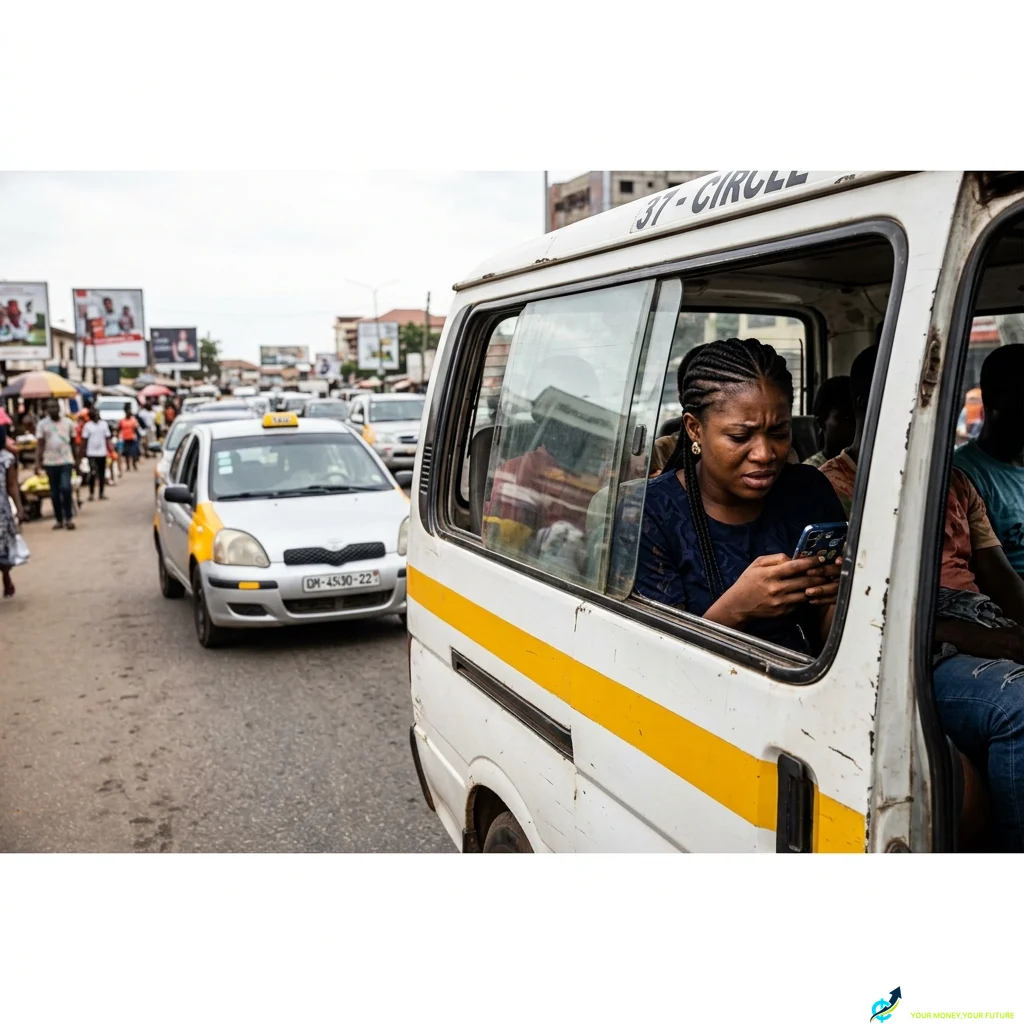
When the Akosombo Dam was completed in 1965, it blocked the mighty Volta River to generate electricity for a young nation. At first, the water simply pooled up behind the concrete wall. But slowly, drop by drop, the backed-up river began to spread. Over the next few years, it quietly swallowed 700 villages, displacing 78,000 people from their ancestral lands, and permanently altered the geography of Ghana to create the largest man-made lake in the world.
It didn’t happen in a massive, sudden explosion. It happened slowly, inch by inch, until the old landscape was completely underwater and impossible to recover.
And so it is with money. Small, seemingly harmless miscalculations compound over time until they drown you.
Nowhere is this more obvious in Ghana today than with mobile lending apps.
When your phone breaks or a medical emergency pops up, a mobile loan feels like a lifesaver. With a few taps on your smartphone, the money hits your MoMo wallet instantly. You borrow on the 20th, pay it back on the 30th when your salary drops, and repeat the process next month.
But here is the truth: the convenience of these apps is a trap, and the algorithms are designed specifically to keep you there.
The 120% math problem
Most mobile lending apps advertise their interest rates in a way that sounds manageable. They charge a flat fee, or maybe 6.9% per month. Because you are only borrowing GHS 500, paying GHS 35 in fees doesn’t sound like a financial disaster.
“But chale,” you say, “I need that GHS 500 to survive the last week of the month! It’s just a small fee!”
Enough. Let’s do the math.
A 6.9% monthly interest rate actually compounds to over 120% a year. If a traditional bank tried to offer you a personal loan at 120% interest, you would laugh in their face and walk out of the branch. Yet millions of Ghanaians accept these exact predatory terms on their phones every single day simply because it is private and instant.
Imagine you borrow GHS 500 every month for a year to survive before payday, paying GHS 35 in fees each time. Over twelve months, you have paid GHS 420 in interest alone. That is nearly the entire principal amount borrowed, vanishing into the pockets of a tech company. That GHS 420 could have been groceries or the start of your emergency fund.
You are essentially renting your own salary before you even earn it.
Our elders say it better: Kwan tia yɛ musuo (Shortcuts are evil). The shortcut of an instant mobile loan always costs you exponentially more in the long run than doing the hard work of budgeting.
Go on offense to break the cycle
Getting out of this trap requires a hard reset on your cash flow. It is not going to be comfortable, but it is necessary. Here is exactly what to do.
1. Stop the bleeding.
When your next salary drops, pay off the loan immediately and delete the app from your phone. Do not leave it on your home screen for “emergencies.” If it is sitting there, you will use it. Remove the temptation entirely.
2. Build a micro-emergency fund.
If you normally borrow GHS 300 to get through the month, your immediate goal is to save GHS 300 of your own money specifically to replace the loan app. It sounds simple, but having your own cash buffer changes everything. It means you are borrowing from yourself at 0% interest instead of paying a tech company 120%.
3. Cut mercilessly for one month.
To build this micro-fund, you have to make a temporary, drastic cut to your lifestyle for just one month. Cancel a subscription, skip a weekend outing, or sell something you no longer use.
4. Separate your bills.
The moment your salary arrives, transfer the money for your fixed bills (rent sinking fund, utilities, transport) into a separate account. Only keep your discretionary spending money in the account linked to your daily ATM card. When the spending account hits zero, you are done spending for the month.
The financial freedom you are looking for starts with keeping the money you already make. Delete the app today.
(Disclaimer: This is financial education, not financial advice. Always do your own research before making financial decisions.)
Newsletter waitlist
Join the CediSense Newsletter Waitlist
Be first to hear when we launch tools, articles, and updates built for young Ghanaians.
Related Articles

How to Buy Treasury Bills in Ghana (And Why Your Savings Account is Losing)
Ama has GHS 3,000 sitting in a savings account. Her bank pays the mandated 5% per…

Does the 50/30/20 Budgeting Rule Actually Work in Ghana?
In March 1900, the British Governor of the Gold Coast, Sir Frederick Hodgson, sat in Kumasi…